Attribution
Unknown (Southeast Asian Suspected)
Motivation
Hacktivism, Notoriety
Modus Operandi (MO)
Web defacement, database leaks, multi-sector targeting
Primary Aliases
Night Spiderz, NightSpiders
N1ghtSp1d3rz is a hacktivist group employing the stylised alphanumeric naming convention common within underground hacking communities, active since approximately 2023 and conducting web defacement and database compromise operations across multiple regions. The group's name reflects the community's aesthetic conventions while signalling an intent to operate covertly and strike targets opportunistically.
N1ghtSp1d3rz has targeted government websites, educational institutions, small businesses, and online forums across Southeast Asia, the Middle East, and Europe. Their attack approach relies primarily on automated vulnerability scanning to identify targets with known weaknesses, followed by exploitation of SQL injection flaws, outdated plugin vulnerabilities in WordPress and Joomla installations, and brute-force attacks against administrative credentials.
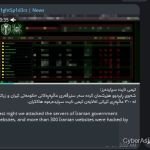
The group maintains an active Telegram presence where they share evidence of successful defacements, publish extracted database contents, and engage with other hacktivist communities. Collaboration with other regional groups during coordinated campaigns has been observed, suggesting N1ghtSp1d3rz is integrated within the broader informal network of Southeast Asian hacktivist collectives.
While N1ghtSp1d3rz does not demonstrate advanced technical capabilities, their consistent operational activity and broad geographic targeting make them a persistent low-level threat to organisations with inadequate web security hygiene and patch management disciplines.
Historical Operations & TTP Evolution
Analysis of historical telemetry associated with this threat actor reveals a highly adaptive operational tempo. Initial campaigns were characterized by opportunistic exploitation of known vulnerabilities (N-days) in perimeter-facing infrastructure. However, recent forensic investigations indicate a significant evolution in their Tactics, Techniques, and Procedures (TTPs). The group has increasingly integrated sophisticated defense evasion mechanisms, utilizing bespoke malware droppers and "Living off the Land" (LotL) binaries to bypass traditional endpoint detection systems.
Target Demographics & Strategic Motivations
The targeting profile of this collective has expanded considerably over the past year. While initial operations primarily focused on opportunistic financial extortion within the SME sector, current intelligence suggests a strategic pivot towards high-value targets within critical infrastructure, government logistics, and regional financial institutions. This shift implies an alignment with broader geopolitical objectives or the acquisition of more advanced Initial Access Broker (IAB) networks.
Recommended Mitigation & Defensive Posture
To defend against the specific methodologies employed by this actor, organizations must prioritize the following mitigation strategies:
- Strict Network Segmentation: Enforce the Purdue Model for OT environments and strict VLAN segmentation for IT networks to prevent lateral movement following a perimeter breach.
- Behavioral EDR Deployment: Traditional signature-based antivirus is ineffective against their LotL tactics. Deploy advanced Endpoint Detection and Response (EDR) solutions configured for behavioral anomaly detection.
- Continuous Identity Verification: Mandate phishing-resistant Multi-Factor Authentication (MFA) across all administrative accounts, VPNs, and remote access gateways to neutralize credential stuffing attacks.
- Proactive Threat Hunting: Integrate associated Indicators of Compromise (IoCs) and YARA rules into automated Threat Intelligence Platforms (TIPs) for continuous monitoring.
Note: This dossier is continuously updated as new intelligence regarding the actor's operations becomes available. Analysts are advised to monitor associated C2 infrastructure for shifts in targeting priorities.