 Data Breach & Leak
~/ › Data Breach & Leak › article
Data Breach & Leak
Nintendo Data Breach: Employee Data Stolen in $2M Ransom Attack
> By Haider | Aug 04, 2026 | 4 min read
⚠️ THREAT INTELLIGENCE ADVISORY:
The Nintendo data breach has resulted in the theft of sensitive employee data following a targeted attack on a third-party vendor. Hackers are currently demanding a $2 million ransom to prevent the release of the compromised information.
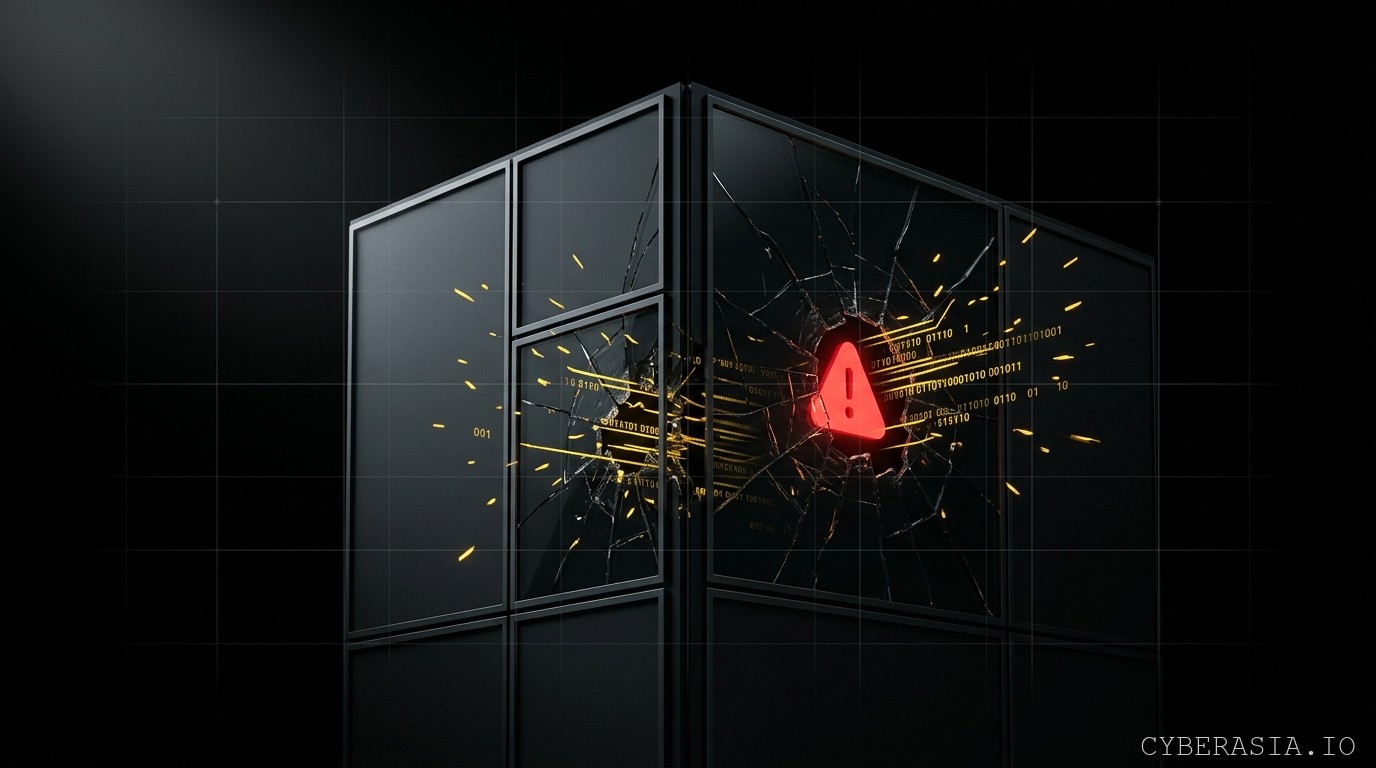
This incident underscores the growing risk of supply chain vulnerabilities, where even highly secure organizations can be compromised through external partners. Defenders must prioritize third-party risk management and enhance monitoring capabilities across extended vendor networks.
Table of Contents
> THREAT_INTELLIGENCE_DATA
Context of the Nintendo Data Breach
In late July 2026, reports surfaced regarding a significant Nintendo data breach that exposed the personal and corporate information of numerous employees. According to early threat intelligence assessments, the threat actors did not breach Nintendo’s primary corporate networks directly. Instead, they successfully compromised a third-party service provider responsible for managing employee records and internal communications.
Figure 1: Threat intelligence visualization of the vendor supply chain compromise.
Following the successful exfiltration of the database, the attackers issued a ransom demand of $2 million, threatening to publish the stolen employee data on dark web leak sites if their demands are not met. The attackers have reportedly shared limited samples of the data on underground forums to prove the authenticity of the Nintendo data breach.
Technical Analysis: Vendor Compromise TTPs
While the investigation into the Nintendo data breach is ongoing, cybersecurity researchers have identified several likely Tactics, Techniques, and Procedures (TTPs) employed during the vendor compromise. Threat actors increasingly target the weakest links in an organization’s supply chain, leveraging unpatched vulnerabilities or compromised credentials.
Initial vectors often involve social engineering or the exploitation of remote access systems. The exact nature of the initial access remains under investigation, but the subsequent lateral movement and data exfiltration patterns align with known ransomware and extortion group behaviors.
Observed / likely techniques:
1. Valid Accounts (T1078): The attackers likely utilized compromised vendor credentials to gain authenticated access to the systems housing Nintendo employee data.
2. Exploitation of Public-Facing Application (T1190): Unpatched vulnerabilities in the third-party vendor’s external infrastructure may have provided the initial foothold.
3. Automated Exfiltration (T1020): Data was systematically archived and exfiltrated to attacker-controlled infrastructure before the extortion demands were issued.
Impact Assessment on Operations
The impact of the Nintendo data breach primarily centers on employee privacy and potential corporate espionage. The stolen data reportedly includes personally identifiable information (PII), internal communications, and potentially sensitive HR records. This exposure places employees at significant risk of targeted phishing attacks and identity theft.
Furthermore, the breach highlights the reputational and financial risks associated with third-party vendor failures. While consumer gaming platforms and customer data appear unaffected, the incident necessitates a comprehensive review of Nintendo’s vendor security requirements and incident response protocols.
Mitigation Recommendations
- Implement strict third-party risk management frameworks, requiring regular security assessments and audits for all external vendors handling sensitive data.
- Enforce the principle of least privilege (PoLP) and mandate multi-factor authentication (MFA) for all vendor access points to corporate systems.
- Enhance monitoring of data exfiltration activities, deploying behavioral analytics to detect anomalous outbound data transfers.
- Develop and test incident response plans specifically tailored to supply chain compromises and third-party data breaches.
- Deploy endpoint detection and response (EDR) solutions across all critical infrastructure to identify and contain unauthorized lateral movement.
Security teams should remain vigilant against secondary phishing campaigns targeting employees in the wake of the Nintendo data breach. For related coverage, see CyberAsia threat intelligence updates.
Reference: CISA Cybersecurity Advisories.
> subscribe_to_intel
Get CyberAsia threat intelligence updates by email. Unsubscribe anytime. Privacy Policy.
Mitigation & Prevention Strategies
Data breaches involving Personally Identifiable Information (PII) or sensitive corporate databases require immediate containment and long-term security overhauls:
- Database Hardening: Ensure databases (SQL, MongoDB, Elasticsearch) are never exposed directly to the public internet. Bind services to localhost or strict internal VPCs.
- Data Encryption: Implement robust encryption for data-at-rest. Even if threat actors exfiltrate database dumps, properly salted and hashed passwords minimize the blast radius.
- Credential Rotation: Following any suspected breach, force a global password reset for affected users and rotate API keys and service credentials immediately.
Disclaimer: CyberAsia is an independent Cyber Threat Intelligence (CTI) research organization. The information provided in this report is derived from public intelligence gathering, dark web monitoring, and threat actor claims. It is published strictly for educational purposes, defensive analysis, and public awareness. CyberAsia does not endorse, verify, or facilitate any cyberattacks or illegal activities.
> INTELLIGENCE_NOTICE
The report above detailing Nintendo Data Breach: Employee Data Stolen in $2M Ransom Attack is part of the CyberAsia public archive. For organizations requiring real-time Indicators of Compromise (IoCs), YARA rules, and extended mitigation strategies for data breach & leak threats, please refer to our Secure Drop or contact the research desk.

> ABOUT_AUTHOR: Haider
> related_intel --suggest
Data Breach & Leak
 Data Breach & Leak
Data Breach: Cyber Team Indonesia Leaks Pemdes Butuh Citizen Records
> read Data Breach & Leak