 Data Breach & Leak
~/ › Data Breach & Leak › article
Data Breach & Leak
Origin Energy Data Breach: What Defenders Need to Know
> By Haider | Aug 04, 2026 | 3 min read
⚠️ THREAT INTELLIGENCE ADVISORY:
The Origin Energy Data Breach recently exposed approximately 900,000 customer records in a massive cyberattack targeting the Australian energy sector. This incident underscores critical vulnerabilities in utility infrastructure and third-party supply chains.

For defenders, this scale of exposure highlights the immediate need for robust data governance and active threat hunting within enterprise environments, particularly where critical infrastructure interfaces with consumer data.
Table of Contents
> TARGET_INFRASTRUCTURE
Context of the Origin Energy Data Breach
Recent reports indicate that attackers successfully exfiltrated sensitive data belonging to hundreds of thousands of customers. The motivation appears to be financial, leveraging the stolen records for extortion or sale on dark web marketplaces. Clinical analysis suggests the threat actors utilized sophisticated evasion techniques to bypass initial defensive perimeters.
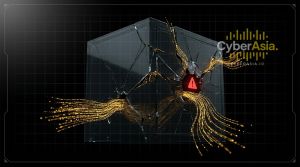
Figure 1: Digital footprint analysis and data exfiltration pathways linked to the incident.
Threat intelligence communities are monitoring underground forums for claims of responsibility. Preliminary findings point to an organized syndicate known for targeting the energy sector, though definitive attribution remains ongoing.
Technical Analysis: TTPs
The technical mechanics of the Origin Energy Data Breach reveal a structured methodology focused on lateral movement and privilege escalation. Analysts are currently investigating the specific ingress vectors, which may include compromised credentials or unpatched internet-facing assets.
Likely vectors involved exploiting weak authentication mechanisms within external service portals.
Observed / likely techniques:
1. Initial Access: Spearphishing or credential stuffing to gain entry into the corporate network.
2. Lateral Movement: Utilization of living-off-the-land (LotL) binaries to navigate undetected.
3. Exfiltration: Deployment of custom scripts to package and transmit data to external command and control servers.
Impact Assessment
The exposure of 900,000 customer records presents significant privacy and regulatory challenges. This data breach affects individuals’ personal information, escalating the risk of secondary phishing campaigns and identity theft. Business impact includes severe reputational damage and potential compliance penalties under Australian privacy laws.
Mitigation Recommendations
- Implement strict Multi-Factor Authentication (M.F.A) across all external and administrative access points.
- Conduct comprehensive audits of third-party vendor access and supply chain security postures.
- Deploy behavioral analytics to detect anomalous data access patterns and unauthorized exfiltration.
- Enhance incident response plans to ensure rapid containment and remediation capabilities.
- Monitor dark web and threat intelligence feeds for leaked credentials or proprietary data.
CyberAsia continues to monitor this situation closely. For related coverage, see
CyberAsia threat intelligence updates.
Reference: Cybersecurity Operations Center.
> subscribe_to_intel
Get CyberAsia threat intelligence updates by email. Unsubscribe anytime. Privacy Policy.
Mitigation & Prevention Strategies
Data breaches involving Personally Identifiable Information (PII) or sensitive corporate databases require immediate containment and long-term security overhauls:
- Database Hardening: Ensure databases (SQL, MongoDB, Elasticsearch) are never exposed directly to the public internet. Bind services to localhost or strict internal VPCs.
- Data Encryption: Implement robust encryption for data-at-rest. Even if threat actors exfiltrate database dumps, properly salted and hashed passwords minimize the blast radius.
- Credential Rotation: Following any suspected breach, force a global password reset for affected users and rotate API keys and service credentials immediately.
Disclaimer: CyberAsia is an independent Cyber Threat Intelligence (CTI) research organization. The information provided in this report is derived from public intelligence gathering, dark web monitoring, and threat actor claims. It is published strictly for educational purposes, defensive analysis, and public awareness. CyberAsia does not endorse, verify, or facilitate any cyberattacks or illegal activities.
> INTELLIGENCE_NOTICE
The report above detailing Origin Energy Data Breach: What Defenders Need to Know is part of the CyberAsia public archive. For organizations requiring real-time Indicators of Compromise (IoCs), YARA rules, and extended mitigation strategies for data breach & leak threats, please refer to our Secure Drop or contact the research desk.

> ABOUT_AUTHOR: Haider
> related_intel --suggest
Data Breach & Leak
 Data Breach & Leak
Data Breach: Cyber Team Indonesia Leaks Pemdes Butuh Citizen Records
> read Data Breach & Leak