 ddos
ddos
ddos
DDoS RipperSec Revealed: 10 Pieces of Evidence That TV7 Israel News Was Paralyzed
> By Clara | Oct 06, 2026 | 6 min read
The TV7 Israel News website returned error codes 500, 502, 503, and 504 from dozens of monitoring points in Europe, Asia, the Americas, and Oceania after a DDoS RipperSec attack hit its web ports 80 and 443 on 4 September 2026. The homepage was replaced by a maintenance message, while several test points showed only a timeout screen.
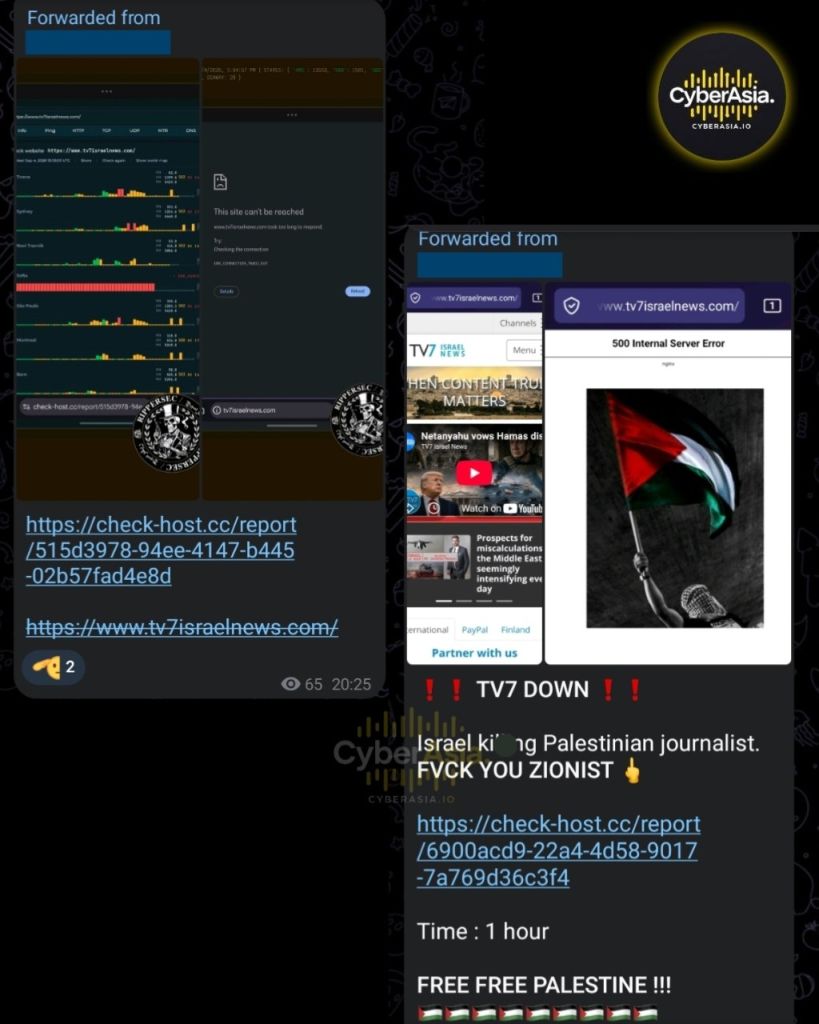
The ten-part series of screenshots compiled by CyberAsia.io shows check-host reports, attack tool logs, bot panels, and photos of error pages. From that material, the timing of the incident, the HTTP codes, and the coordination pattern behind this operation can be mapped.
![Figure 1: contains a post reading done check, a tool log named Cybernetic Wolf with 1,000 threads, and a bot panel marking the target as DOWN [503] at second 33 of 100.](https://cyberasia.io/people/wp-content/uploads/2026/10/IMG_20261006_100625_047-819x1024.jpg)
Timeline of the DDoS RipperSec Attack on 4 September
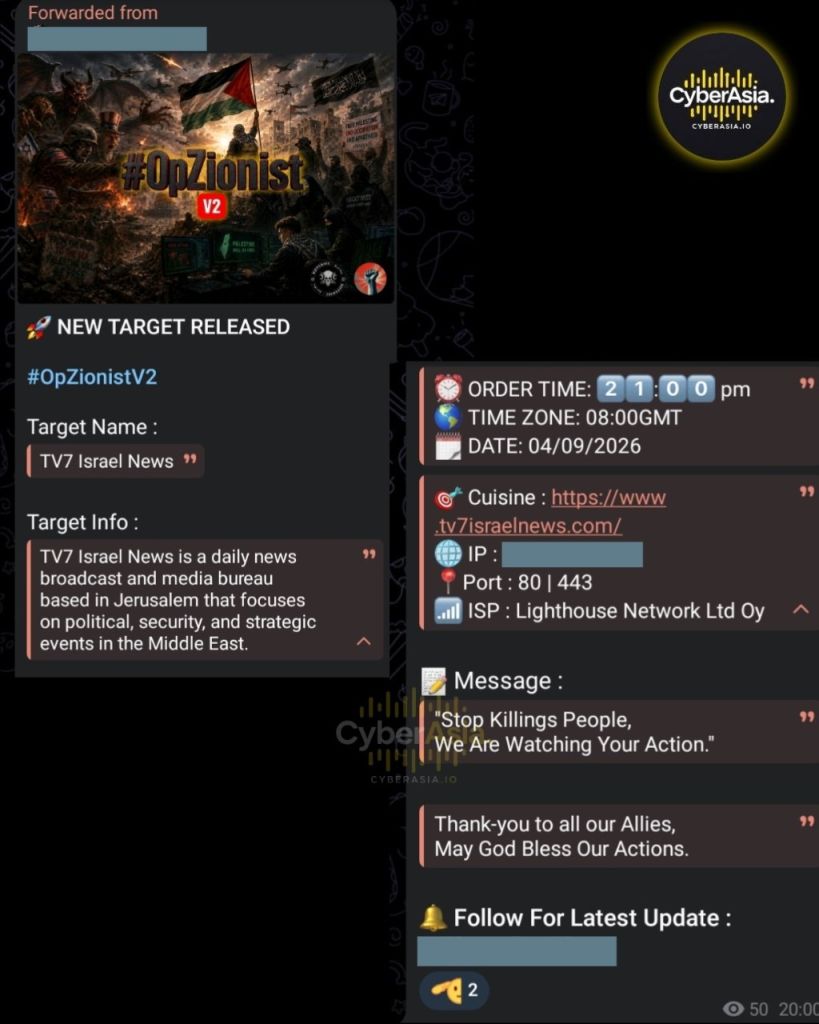
This DDoS RipperSec operation was named #OpZionistV2. The target announcement (Figure 3) names TV7 Israel News as the objective, along with a schedule of 21:00 GMT+8 on 4 September 2026, ports 80 and 443, and the network Lighthouse Network Ltd Oy. Its closing message reads “Stop K*llings People, We Are Watching Your Action”, followed by thanks to the allies.
The attack tool log records the start of the attack at 13:04. If that time is UTC, the attack began about five minutes after the scheduled 21:00 GMT+8.
Soon afterward, the TV7 DOWN post circulated. It contained a photo of a 500 error, a caption stating a one-hour duration (Figure 4), and a message linking this action to the deaths of Palestinian journalists.
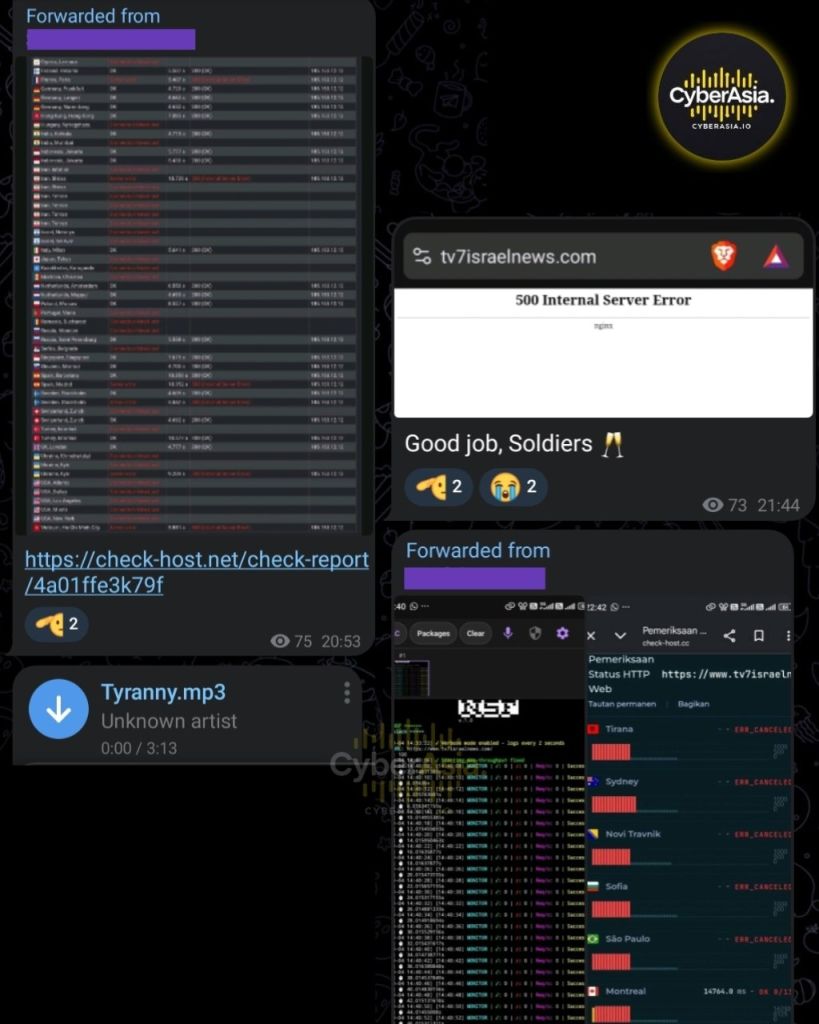
The times below follow what the screenshots display. A bot panel in another participant group marked the target DOWN at 20:04, and the check-host report link was shared at 20:19. The 20:53 table was still mixed, with 200 OK, timeout, and 500 results, a sign that the disruption was not yet evenly spread in the early hours. The 500 error photo followed at 21:44 and the green and red map at 23:24, before the 5Hour Done caption appeared at 10:04 with additional reports up to 11:33.
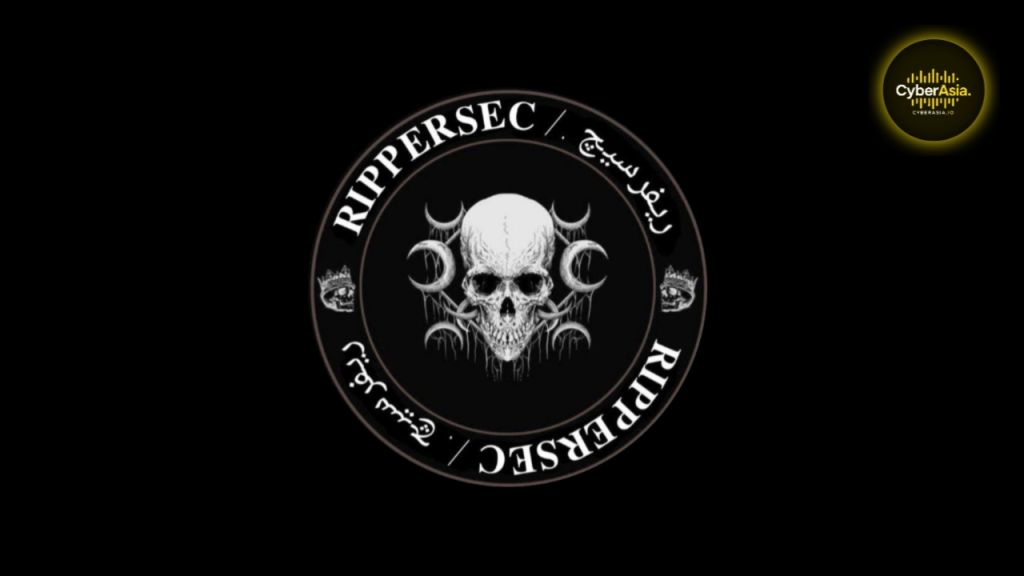
RipperSec uses a skull emblem adorned with a crescent moon and Arabic writing on its publicity materials (Figure 5). The emblem is also stamped on the check-host screenshot in Figure 4 and the world map in Figure 9.
Technical Evidence: Error Codes and Latency
Check-host sends requests from dozens of servers in many countries, so a single report can distinguish a site that is down in all regions from one that is merely slow in one place. In this DDoS RipperSec case, the results lean toward a multi-region disruption.
The 5Hour Done caption arrived together with a MegaMedusa log that repeatedly wrote TV7 Israel News under maintenance (503). About an hour later, the check-host table at 11:00 showed 504 Gateway Timeout errors from locations on various continents (Figure 6).
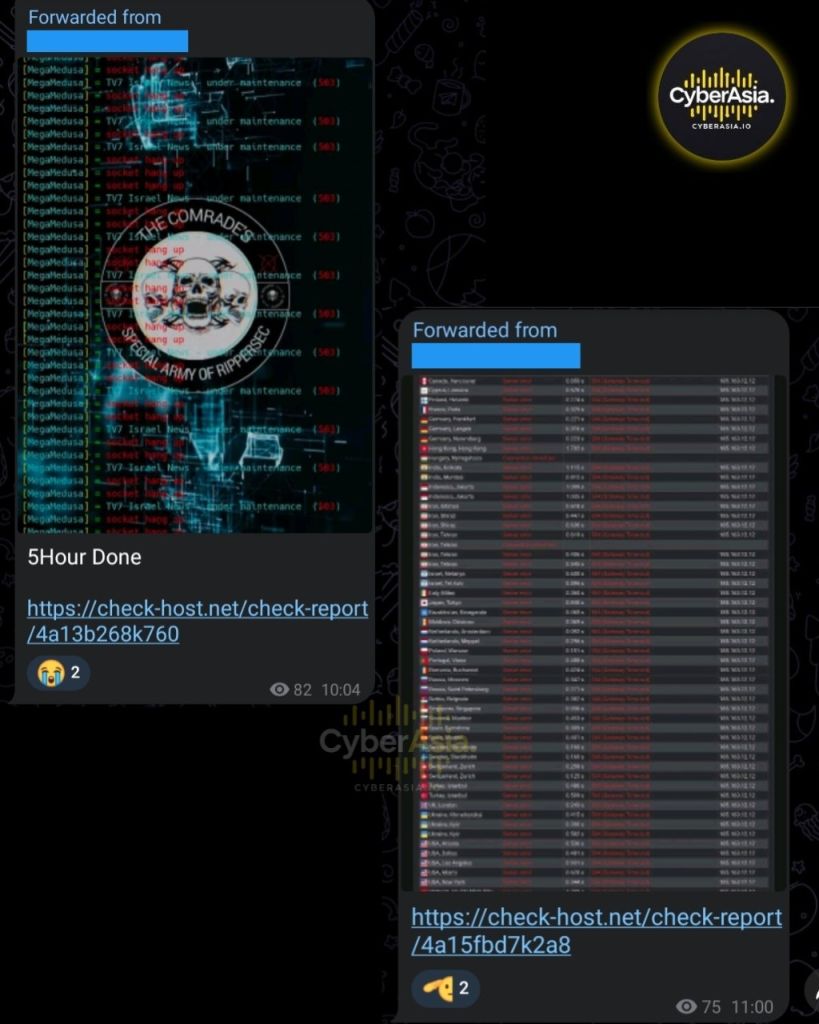
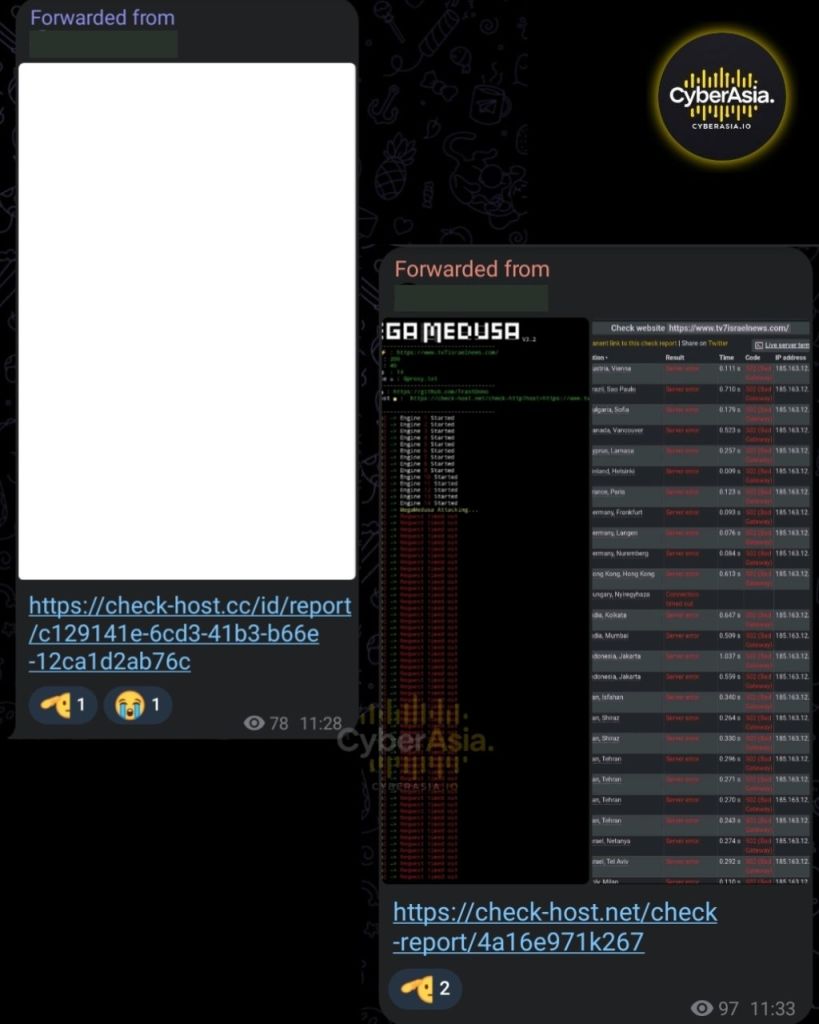
Figure 7 shows another pattern. The 502 Bad Gateway code arrived within milliseconds, with 9 from Helsinki, 76 from Langen, and 84 from Nuremberg. A response that fast usually indicates that the server’s front layer is still alive and answering, while the application behind it cannot reply.
Test points in Netanya and Tel Aviv also received 502, so the disruption was not limited to access from outside Israel. One point in Hungary, on the other hand, ended with connection timed out and no HTTP code at all.
Tools and Coordination Patterns
The DDoS RipperSec pattern points to an HTTP request flood at the application layer. Cybernetic Wolf ran with 1,000 threads and a list of user agents, while MegaMedusa version 3.2 loaded a list of proxies and more than ten machines switched on at the same time. Its log is filled with Request timed out and ECONNABORTED (Figure 8). Codes 502, 503, and 504 arriving alternately commonly appear when the proxy in front of an application runs out of connections or wait time, not when the network is overwhelmed by volumetric traffic.
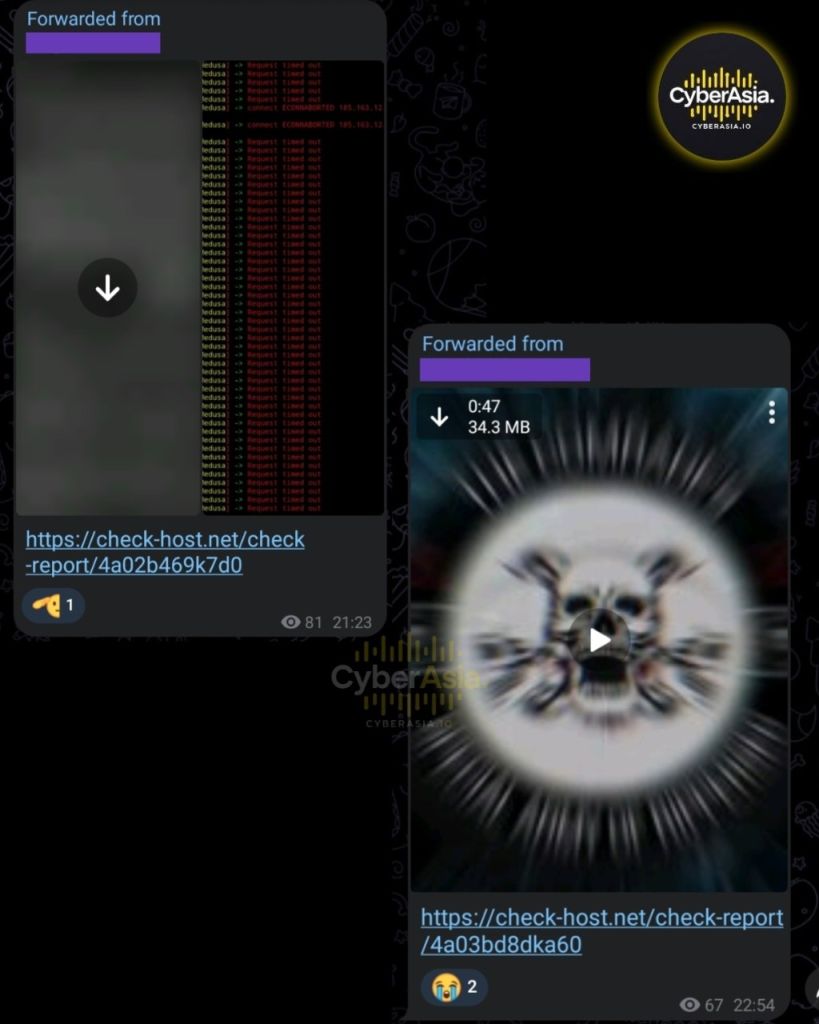
DDoS RipperSec did not operate alone. One of the screenshots shows another group of 465 members with a bot running a TLS-type attack against the same address, with some of the conversation in Indonesian (Figure 1). The group also shared a 47-second video clip and a 3-minute 13-second audio file as publicity material, not technical evidence.
Related reading: [https://cyberasia.io/articles/: related hacktivist DDoS report on CyberAsia.io]
Impact on TV7 Israel News
Figure 9 compares two check-host maps dated 4 September 2026, one predominantly green and the other red. On the red map, Sofia failed completely with an ERR_CANCELED error, while Tirana, Sydney, Novi Travnik, and Sao Paulo received 503 responses. Tirana’s average latency was 489.9 milliseconds with a peak of 1,632 milliseconds, Sydney’s 619.8 milliseconds, and Sao Paulo’s 298.9 milliseconds.
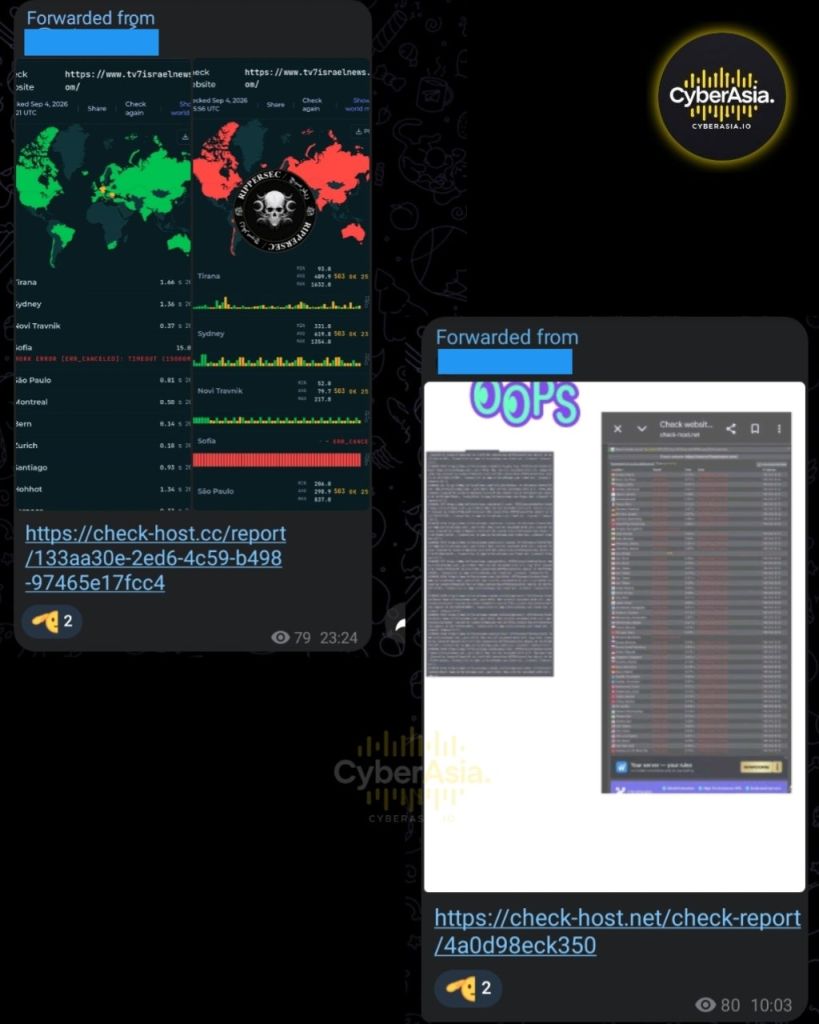
Figure 10 closes the series of evidence: a repeating 503 Service Unavailable log, a red map, and a browser screen showing the site as unreachable. What was affected was the website, not the broadcast. The maintenance page states that all programs can still be watched through the TV7 Israel News YouTube channel, so core broadcasting did not automatically stop.
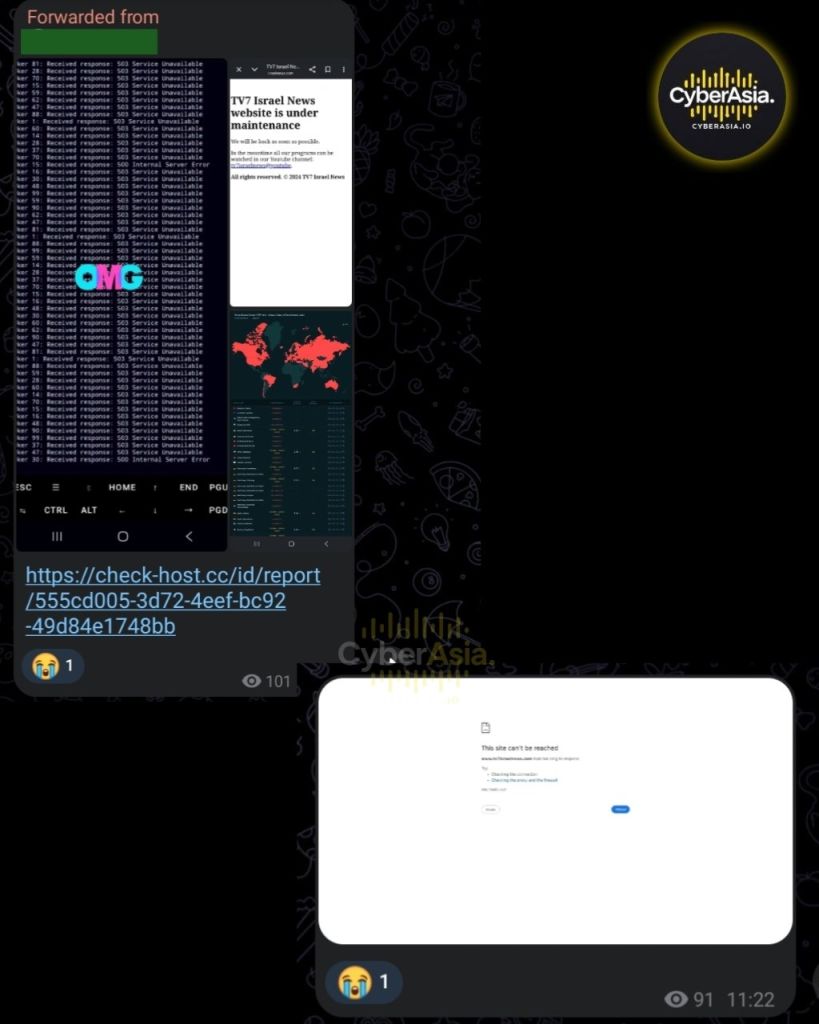
The direct impact was on readers’ access to news on the site during the hours of disruption, which according to the group’s posts lasted up to five hours.
Mitigation Steps for Site Admins
The joint guidance from CISA, the FBI, and MS-ISAC divides DDoS attacks into three types: volumetric, protocol, and application. The DDoS RipperSec case falls into the last type. Practical steps for media site admins:
- Place the site behind a CDN or reverse proxy, then lock down the origin IP so that it only accepts traffic from that proxy.
- Set request rate limits and bot challenges on dynamic paths, then serve articles from cache during surges.
- Monitor for spikes in 5xx errors, set up alerts, and keep emergency contacts for the hosting provider and ISP.
- Separate video services from the main web server, as TV7 does by directing viewers to YouTube.
FAQ About the DDoS RipperSec Attack
Q1 : Was TV7 Israel News reader data leaked as well?
There is no sign of that. All of the DDoS RipperSec evidence shows only HTTP errors and request-flood logs, not a data dump. Admins still need to check their logs, because traffic floods are sometimes used as a distraction.
Q2 : Why did TV7 Israel News display a maintenance page?
A 503 code means the service is currently unable to process requests. A maintenance page can be put up by the operators to ease the load or appear automatically when the server is overwhelmed. The available evidence does not show which of these happened.
Q3 : Is DDoS RipperSec the same as hacking?
No. A DDoS floods a service so that it cannot be accessed, whereas hacking means breaking into a system to take control of it or obtain data. In this DDoS RipperSec wave, the available evidence shows only access disruption.
Q4 : What emergency steps should be taken when a site is flooded with traffic?
Contact the hosting or CDN provider first so that filtering is tightened, enable protection mode at the edge, then limit the request rate. Prepare a static page as a backup and save logs for analysis.
Disclaimer: The information presented in this threat intelligence report is for educational and cybersecurity research purposes only. CyberAsia reports on cyber incidents to help organizations understand and defend against emerging threats. We do not provide hacking instructions, host stolen data, or endorse illegal activities.
> INTELLIGENCE_NOTICE
The report above detailing DDoS RipperSec Revealed: 10 Pieces of Evidence That TV7 Israel News Was Paralyzed is part of the CyberAsia public archive. For organizations requiring real-time attack telemetry, check-host latency records, and edge firewall mitigation strategies for ddos incidents, please refer to our Secure Drop or contact the research desk.