 ddos
ddos
ddos
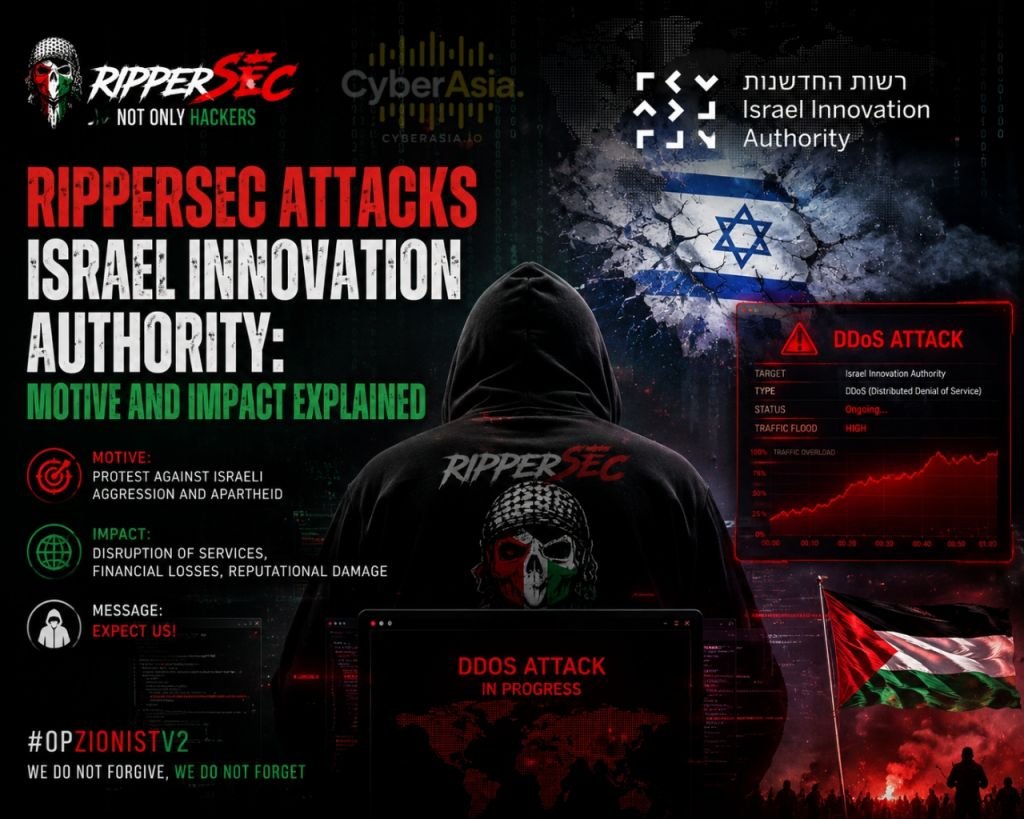
RipperSec Attacks Israel Innovation Authority: Motive and Impact Explained
> By Clara | Aug 08, 2026 | 5 min read
body{
background:#000000;
color:#e6e6e0;
font-family:’Space Grotesk’, sans-serif;
line-height:1.75;
margin:0;
padding:48px 24px 100px;
}
.wrap{
max-width:740px;
margin:0 auto;
}
h2{
font-family:’JetBrains Mono’, monospace;
font-weight:700;
font-size:1rem;
letter-spacing:0.03em;
text-transform:uppercase;
color:#f5d300;
margin:40px 0 16px;
}
h2:first-child{
margin-top:0;
}
p{
font-size:1.02rem;
color:#e6e6e0;
margin:0 0 20px;
}
.source-note p{
font-family:’JetBrains Mono’, monospace;
font-size:12px;
color:#8a8a82;
margin:0 0 8px;
}
.disclaimer{
font-size:11.5px;
color:#5c5c56;
font-style:italic;
}
Hacktivist groups have become a persistent threat in global cyber operations, particularly during periods of geopolitical conflict. On August 4, 2026, the pro-Palestinian hacktivist collective known as RipperSec claimed responsibility for cyberattacks against the Israel Innovation Authority, a government body responsible for advancing Israel’s technology sector.
What Happened
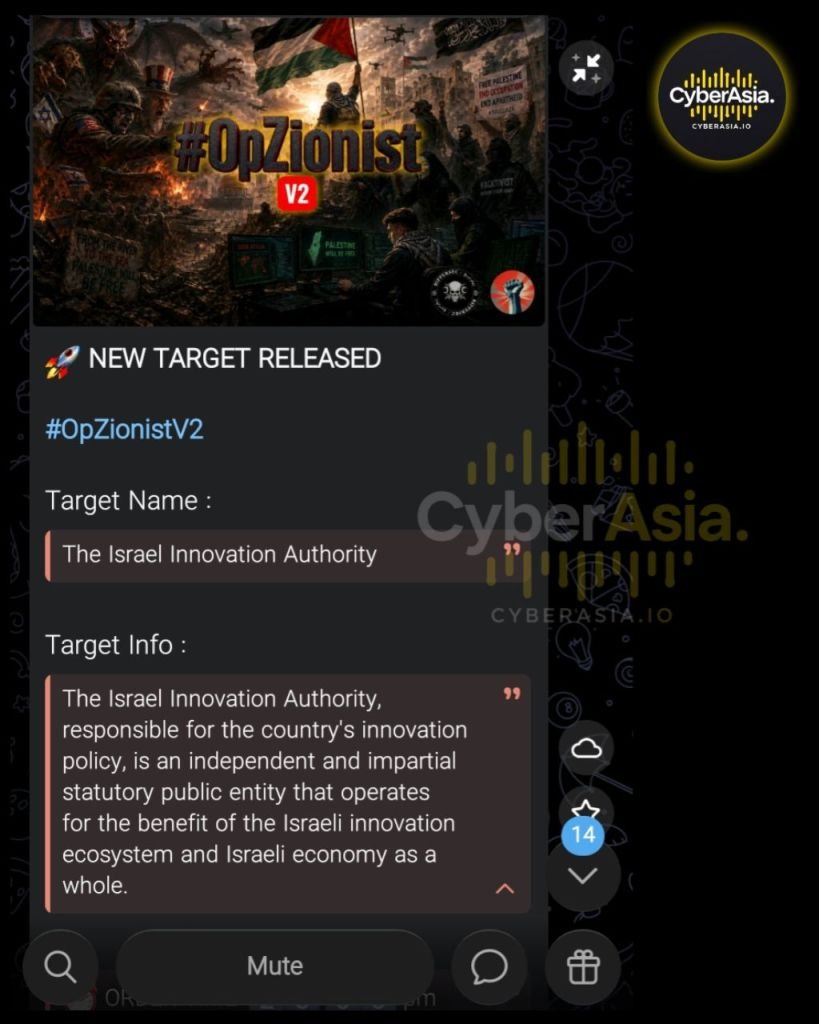
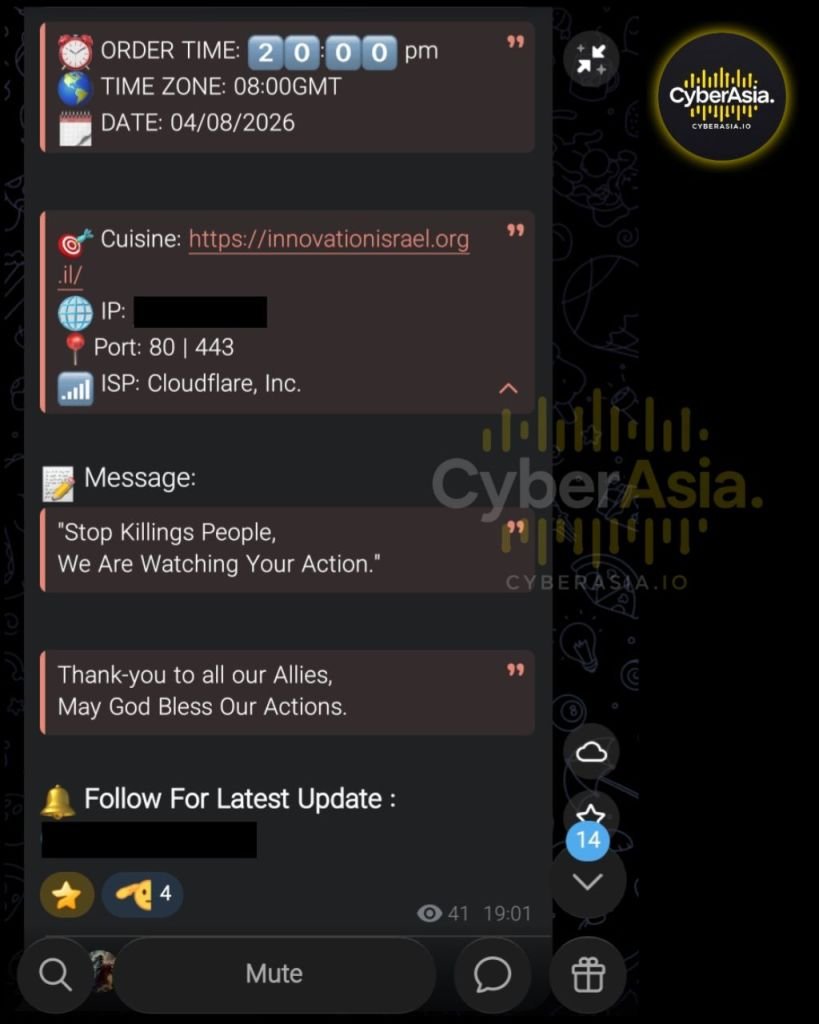
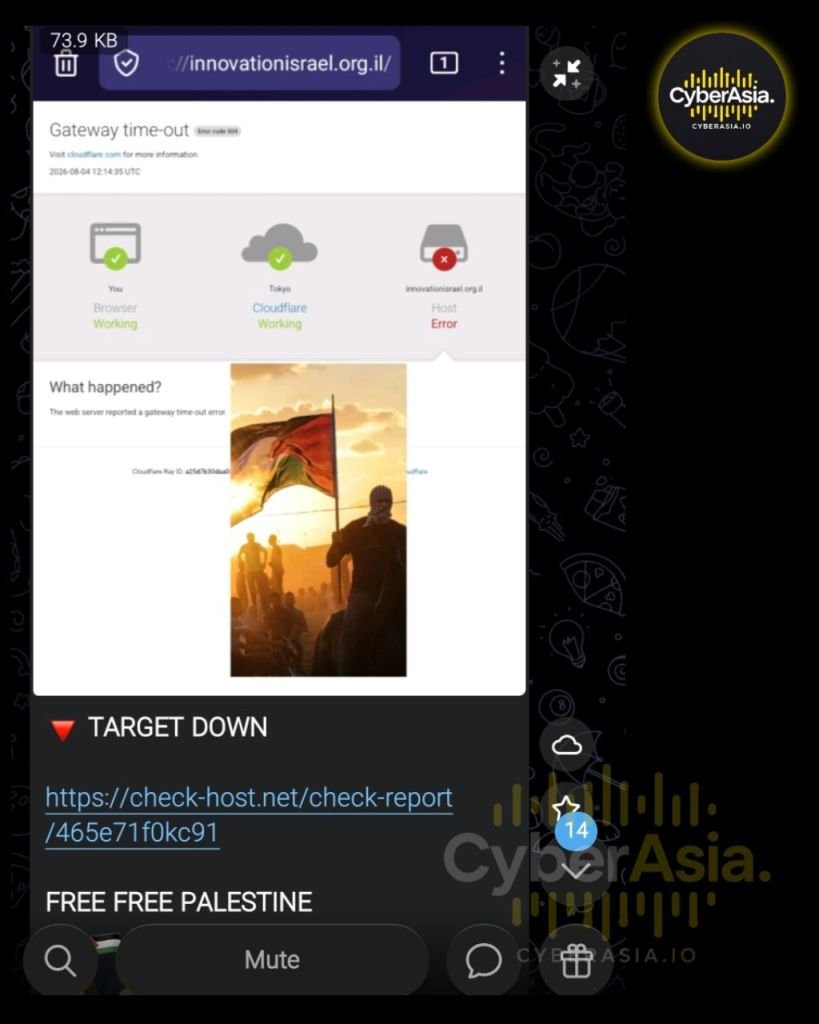
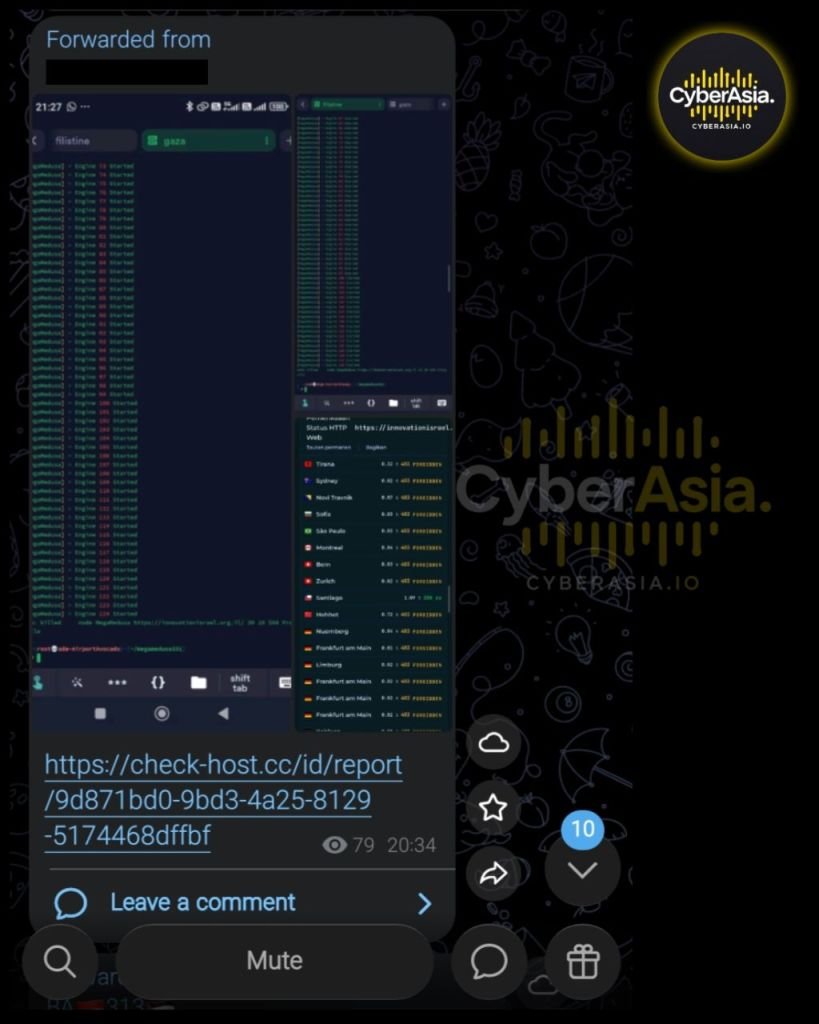
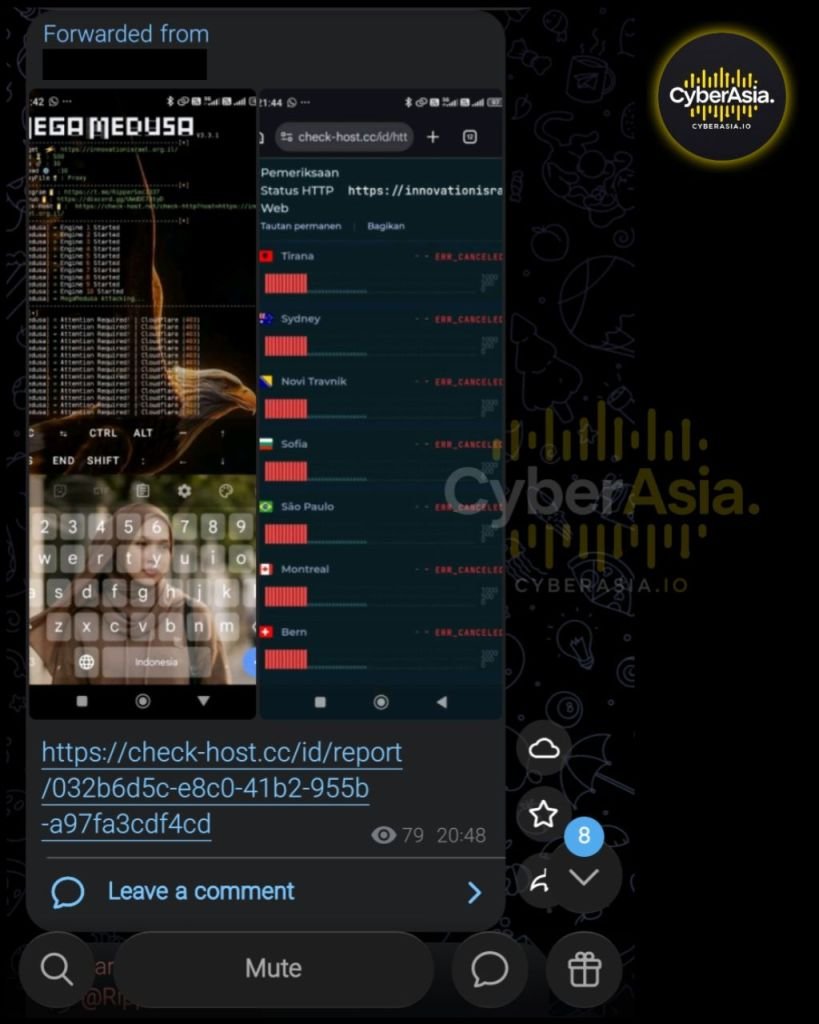
RipperSec posted multiple screenshots on social media and messaging platforms documenting the incident. One screenshot showed a Cloudflare-hosted page for innovationisrael.org.il returning a gateway timeout error (code 504), accompanied by a banner reading “TARGET DOWN.” Another displayed an HTTP status check with “ERR_CANCELLED,” while a third featured the site’s interface overlaid with a Palestinian flag image and the slogan “FREE FREE PALESTINE.”
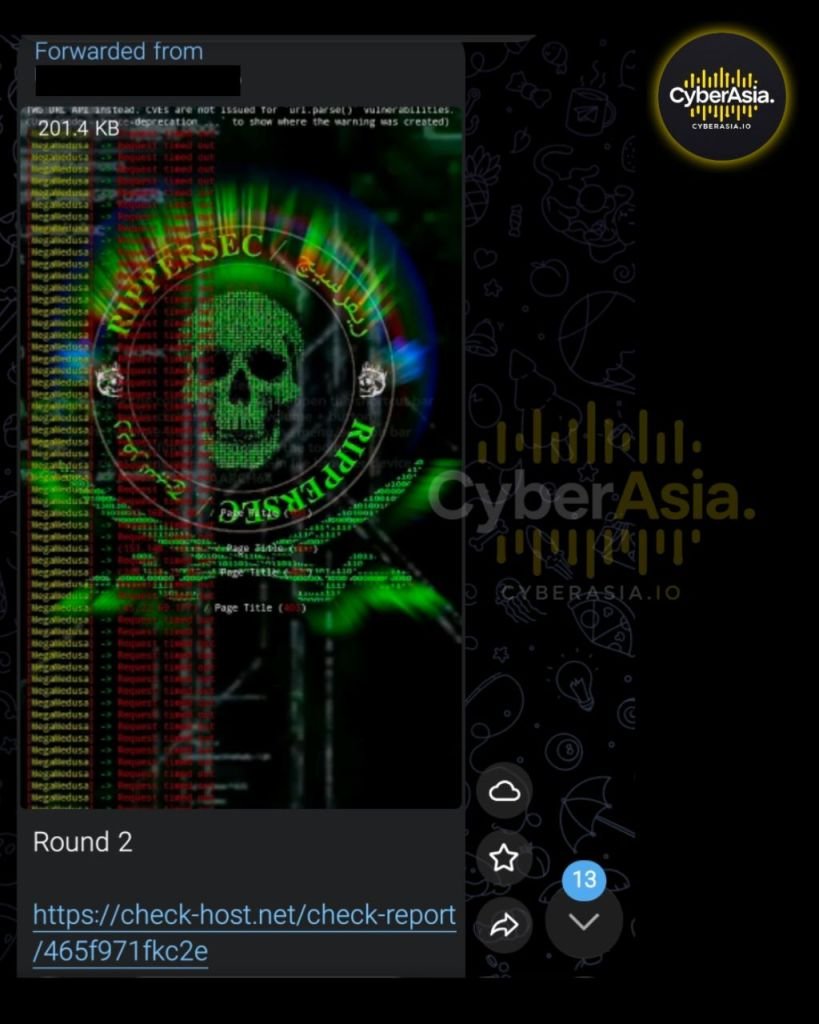
Additional posts referenced proxy-based DDoS attempts run through platforms like check-host.cc and check-host.net, with timestamps aligning to early morning in the 08:00 GMT timezone. A separate screenshot showed the Israel Innovation Authority’s own status page, highlighting “ERR_CANCELLED” errors across multiple global check locations, including Sydney, São Paulo, and Frankfurt. These reports align with the group’s typical toolkit for application-layer DDoS attacks.
No evidence of data exfiltration, ransomware deployment, or physical disruption was present in the claims. The operation appears limited to service disruption aimed at public messaging.
Who Was Affected
The primary target was the Israel Innovation Authority, an independent statutory public entity that funds research and development projects, supports startups, and promotes Israel’s global innovation ecosystem. The authority oversees significant government investment in technology sectors critical to Israel’s economy.
The attack also indirectly affected the broader Israeli technology and innovation community. Several major Israeli tech firms and startups rely on government-backed programs, accelerators, and international partnerships managed or funded through this body. Any prolonged downtime to related infrastructure or services could slow investment flows, R&D timelines, and global competitiveness in areas such as AI, biotechnology, and cybersecurity.
Details of the Attack
RipperSec utilized its publicly available MegaMedusa DDoS toolkit, a Node.js-based tool designed to generate HTTP(S) application-layer requests relayed through open proxies. This method allows for scalable, low-signature attacks that bypass some traditional defenses. The group’s Telegram activity and check-host reports confirmed proxy usage and error states across international locations.
No sophisticated initial access or zero-day vulnerabilities were reported. The operation fits the pattern of previous claims by the group, which emphasize visibility and propaganda over stealth.
Who Is Behind RipperSec?
RipperSec is a pro-Palestinian hacktivist group that emerged in June 2023, primarily active on Telegram, where it has grown to thousands of members. The group’s stated ideology centers on support for the Palestinian cause and opposition to actions perceived as supporting Israel or its allies. Claims often reference geopolitical events, such as military operations or policies in the region.
RipperSec operates in alliance with other hacktivist collectives, including those aligned under broader coordinated efforts involving Iranian-linked personas. Its tactics have included DDoS campaigns against Israeli government and private-sector websites, as well as website defacements with pro-Palestinian messaging.
Potential Impact
While the immediate effect on the Israel Innovation Authority appears limited to temporary service interruptions, the attack underscores the vulnerability of public and semi-public innovation infrastructure to hacktivist pressure. Prolonged disruption could delay funding announcements, grant processing, or international collaborations, affecting startups and established companies alike.
In the wider context of 2026 cyber operations tied to regional conflicts, such incidents contribute to a pattern of targeting innovation bodies. They serve both as tactical disruption and psychological operations, aiming to amplify political narratives. No major economic or operational data leaks were claimed, reducing the risk of immediate commercial fallout, but the message remains clear: innovation infrastructure is not immune.
Current Response and Outlook
No official statement from the Israel Innovation Authority or Israeli cybersecurity authorities confirming the incident or mitigation steps has been publicly released as of the time of reporting. Standard practice in such cases involves rapid detection through monitoring tools, temporary rerouting of traffic, and internal investigation for any persistence or additional threats.
The attack fits into an ongoing cycle of hacktivist activity against Israeli targets. As of early August 2026, reports indicate continued coordination among multiple groups, though specific updates on this operation remain limited.
The RipperSec incident highlights the challenges of defending against ideologically driven hacktivists who operate with relatively simple but effective tools. While no catastrophic breach occurred, the operation reinforces the need for organizations in the tech and innovation sectors to maintain robust DDoS protection, monitor proxy abuse, and prepare for politically motivated disruptions. Details of any follow-on actions or deeper forensics remain under development.
Source note: All claims are based on publicly posted screenshots and status checks by the threat actor. Independent verification of the extent of disruption is ongoing.
This article is for informational purposes and does not constitute security advice. Organizations facing similar threats should consult their cybersecurity providers or incident response teams.
Mitigation & Prevention Strategies
To defend against advanced Layer 7 and volumetric DDoS attacks observed in these campaigns, organizations should implement the following defensive postures:
- Edge Protection: Deploy robust Web Application Firewalls (WAF) and Anti-DDoS solutions configured to challenge anomalous request rates (e.g., CAPTCHA or JS challenges) before they hit origin servers.
- Geographic Rate Limiting: If the threat actor originates from or utilizes botnets concentrated in specific regions, enforce geo-blocking rules for non-essential traffic.
- Infrastructure Scaling: Ensure load balancers and auto-scaling groups are optimized to absorb sudden traffic spikes while maintaining core service availability.
Disclaimer: The information presented in this threat intelligence report is for educational and cybersecurity research purposes only. CyberAsia reports on cyber incidents to help organizations understand and defend against emerging threats. We do not provide hacking instructions, host stolen data, or endorse illegal activities.
> INTELLIGENCE_NOTICE
The report above detailing RipperSec Attacks Israel Innovation Authority: Motive and Impact Explained is part of the CyberAsia public archive. For organizations requiring real-time attack telemetry, check-host latency records, and edge firewall mitigation strategies for ddos incidents, please refer to our Secure Drop or contact the research desk.