 Threat Intelligence
~/ › Threat Intelligence › article
Threat Intelligence
Middle East Cyber Warfare: UAE Thwarts Major Attack as Breach Costs Hit $8 Million
> By Haider | Aug 12, 2026 | 4 min read
The geopolitical escalation across the Middle East has inevitably spilled over into the digital domain. Throughout August 2026, cybersecurity analysts have observed a dramatic surge in regional cyber warfare, characterized by sophisticated state-aligned operations, a spike in hacktivist disruptions, and record-breaking financial damages for compromised organizations.
Far from standard financially motivated ransomware, the current threat landscape in the region involves advanced persistent threats (APTs) targeting critical national infrastructure (CNI) and operational technology (OT) to inflict maximum systemic disruption.
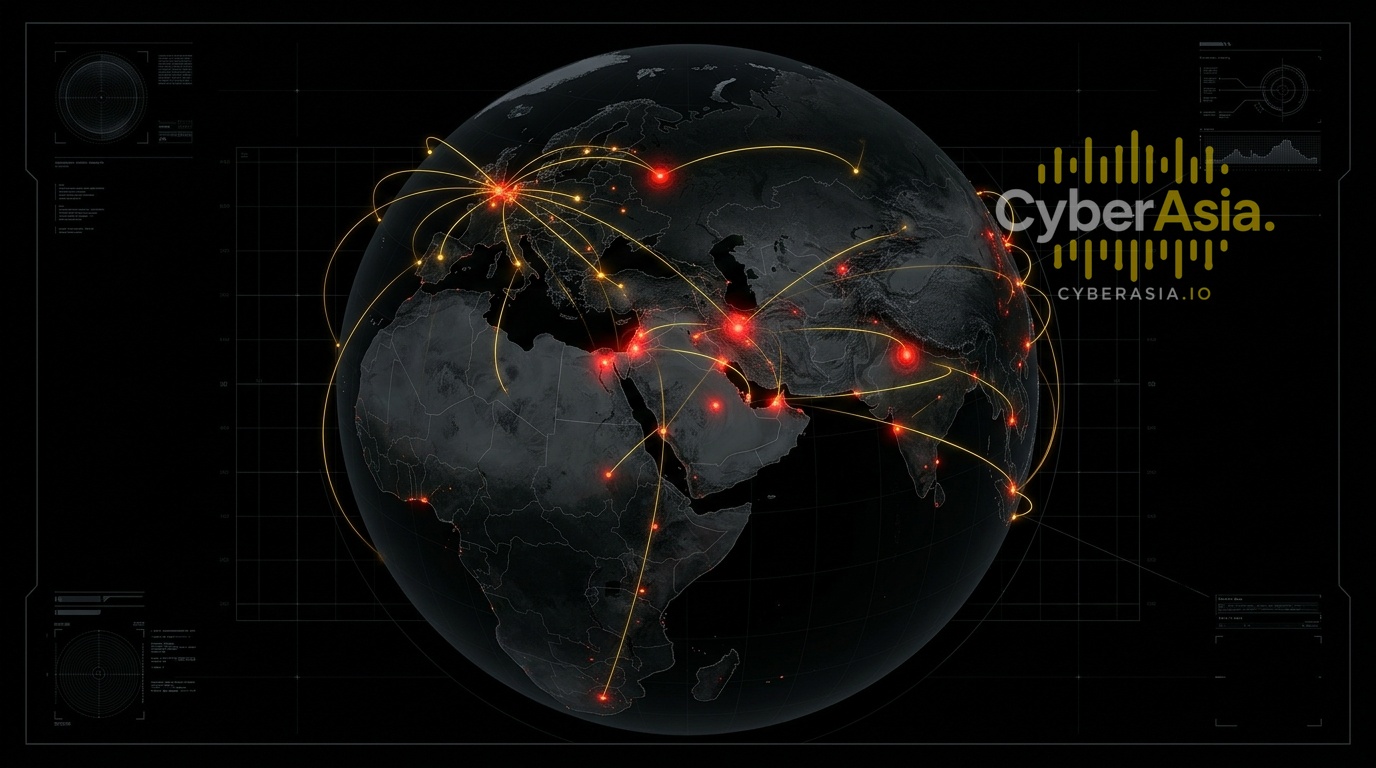
UAE Thwarts Advanced Coordinated Attacks
On August 10, 2026, the United Arab Emirates’ Cyber Security Council announced the successful neutralization of a series of “advanced and organized” cyber attacks. These operations specifically targeted the backbone of the nation’s economy, focusing on the aviation, energy, and education sectors.
The threat actors utilized multiple vectors simultaneously, including direct infrastructure breach attempts against operational data repositories and highly targeted spear-phishing campaigns. While the national cybersecurity teams successfully contained the threats before they could disrupt vital services, the scale and coordination of the attack highlight the intense pressure currently faced by regional cyber defense units.
The $8 Million Breach: Record-Breaking Regional Costs
Compounding the physical and geopolitical threats is the staggering financial toll of cybercrime in the region. A recent report published by IBM in early August 2026 confirms that the average cost of a data breach for organizations in the Middle East has hit a historic high of $8 million USD.
> THREAT_INTELLIGENCE_DATA: MIDDLE EAST 2026
- Average Breach Cost: Reached $8 million USD, making it one of the most expensive regions globally for cyber incidents.
- AI-Enabled Breaches: 26% of all malicious breaches in the region were facilitated by Artificial Intelligence (e.g., deepfakes, automated phishing, and AI-driven vulnerability mapping).
- Hardest Hit Sectors: The financial and technology sectors bore the brunt of the damages, with average breach costs in those industries soaring to $10.67 million.
Mitigation Recommendations
For Enterprise and Government IT Teams:
- Accelerate Zero Trust Architecture. Eliminate implicit trust from internal network perimeters. Implement strict micro-segmentation, particularly between IT networks and OT/SCADA environments in the energy and aviation sectors.
- Deploy AI-Driven SIEM. With 26% of attacks now AI-enabled, legacy rule-based detection is insufficient. Security Operations Centers (SOCs) must integrate AI-driven behavioral analytics to detect anomalous lateral movement in real-time.
- Enhance Phishing-Resistant MFA. Traditional SMS-based 2FA is highly vulnerable to interception by state-sponsored actors. Mandate FIDO2-compliant hardware keys for all privileged administrative accounts.
For the General Public and Employees:
- Exercise extreme caution when handling urgent emails or messages claiming to be from government authorities or IT departments, as state-aligned actors frequently use geopolitical crises as phishing lures.
- Ensure that your corporate and personal devices are updated with the latest security patches.
Verification Status
The UAE Cyber Security Council public statement on 10 August 2026 is the primary official source for the thwarted waves. CyberAsia has not independently inspected the payloads. IBM’s regional $8 million average is a cost study, not evidence that any single August incident cost that figure. Readers should keep those two facts separate.
Who Typically Presses UAE Aviation and Energy
Public CTI on Gulf aviation, energy, and education networks in recent years has featured Iranian-aligned clusters (MuddyWater, OilRig / APT34, CyberAv3ngers against OT) and financially motivated ransomware affiliates hunting the same sectors. Hacktivist DDoS brands also pile on during regional political spikes. None of those names are confirmed in the 10 August notice. Defenders should hunt the TTPs (spear-phish to OT jump hosts, password-spray on VPN, living-off-the-land in energy HMIs), not a single actor label.
> DISCLAIMER
The information provided in this article is for educational and threat intelligence purposes only. CyberAsia does not condone, promote, or encourage any illegal activities. The claims reported herein are based on open-source intelligence and are presented strictly for public awareness and defensive mitigation. Any similarities to living persons or companies are for illustrative investigative purposes only.
> subscribe_to_intel
Join 5,000+ analysts. Get uncensored threat intelligence and breach alerts delivered directly to your inbox. Privacy Policy.
Keep the $8 Million Figure Separate
The UAE Cyber Security Council statement on 10 August 2026 is an official “we stopped organised waves” note. IBM’s $8 million regional average is a multi-firm cost study. They are not the same incident. Briefing both in one slide without that split is how a cost report becomes a mythical mega-breach. Hunt spear-phish and OT jump hosts in aviation and energy. Do not hunt a single named actor the Council did not publish.
If you run a Gulf energy or airport network, the useful control is still Purdue-style isolation and phishing-resistant MFA on the VPN, not a new war metaphor in the executive summary.
> INTELLIGENCE_NOTICE
The report above detailing Middle East Cyber Warfare: UAE Thwarts Major Attack as Breach Costs Hit $8 Million is part of the CyberAsia public archive. For organizations requiring real-time Indicators of Compromise (IoCs), YARA rules, and extended mitigation strategies for threat intelligence threats, please refer to our Secure Drop or contact the research desk.

> ABOUT_AUTHOR: Haider
> related_intel --suggest
Threat Intelligence
 Threat Intelligence
Australia SCADA Breach: Disrupt0r Hacks Water Recycling Facility HMI
> read Threat Intelligence